
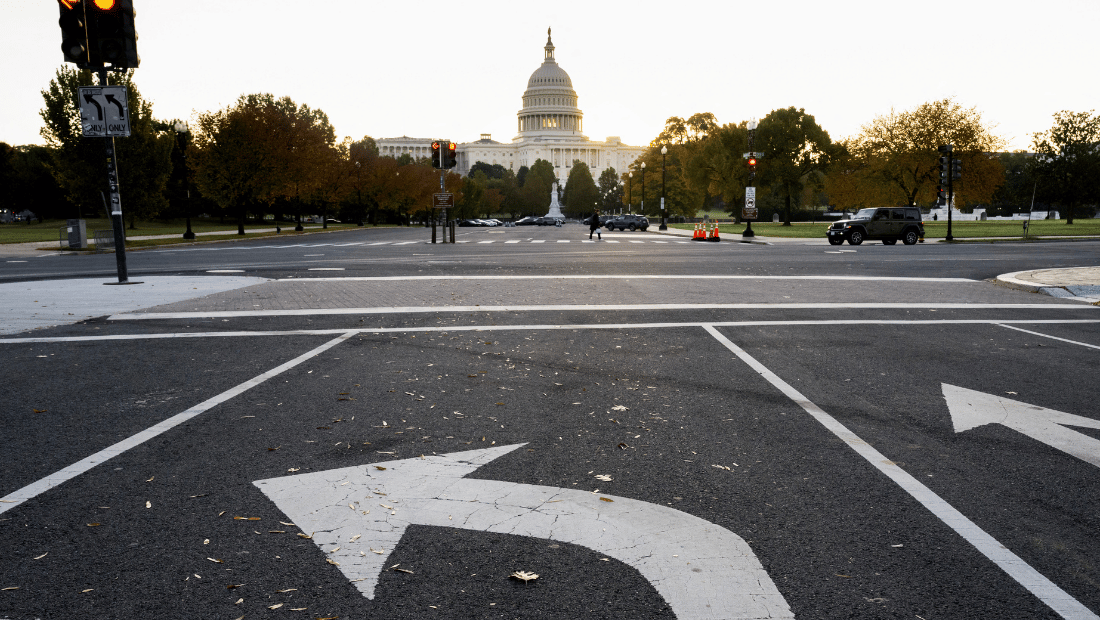
Democrats Control Congress After Midterms: What Comes Next?
The 2026 midterm elections have resulted in a Democratic majority within Congress, marking a significant shift in the legislative landscape. While the party now holds the power to obstruct Republican initiatives, conduct investigations, and challenge presidential nominees, their ability to enact new legislation remains constrained by the opposition in the House and Senate. This balance of power creates a complex environment where the new majority must navigate a divided government scenario to achieve their policy goals. The administration will likely face hurdles as bills move through the legislative process, requiring careful negotiation and strategic maneuvering to overcome opposition. Key issues such as the economy, healthcare, and foreign policy will come under intense scrutiny as lawmakers seek to prioritize their agendas amidst these structural limitations. The coming months will be critical in determining how effectively the Democrats can translate their electoral victory into tangible legislative achievements. Without a unified party or sufficient supermajority, the potential for gridlock persists despite the change in congressional control. Ultimately, the path forward depends on the ability to build bipartisan coalitions while managing internal disagreements within the Democratic caucus. The outcome of these challenges will define the next chapter of American politics and set the tone for future elections.