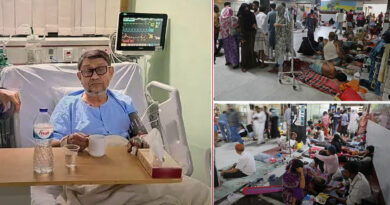
Bedside Theatre: When Applause Outranks Patient Safety
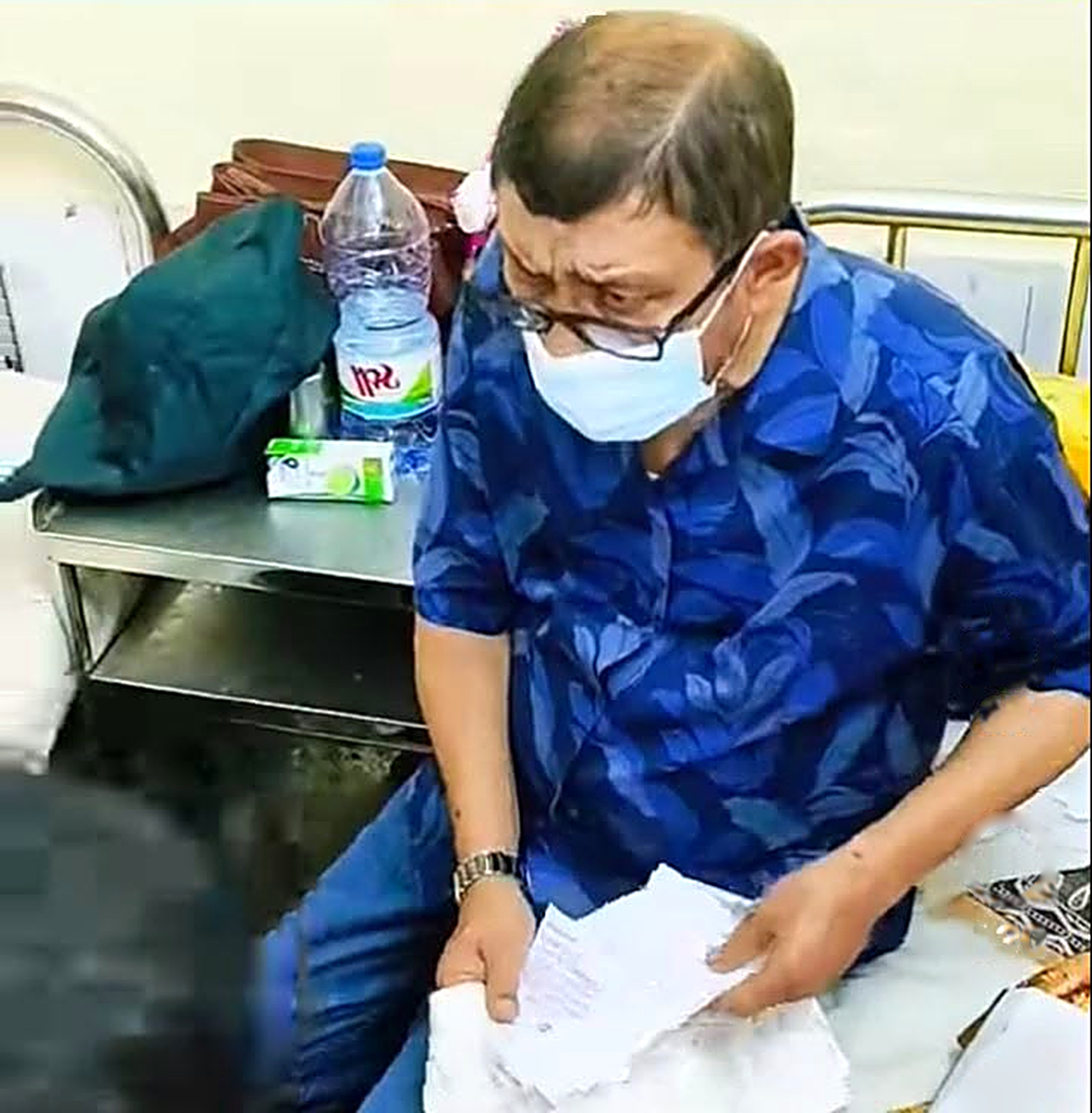
It is the kind of picture that is meant to melt hearts: a Health Minister sitting on a patient’s bed, close enough to touch, looking through papers. Instead, the image now doing the rounds on social media has set off a storm, and it has raised an awkward question. Is this compassion, or is it performance at a patient’s expense?
Opinion online is divided only on motive. Some say the minister simply got carried away by emotion. Others are far less charitable, arguing that the gesture was a play for public approval, a chance to be hailed as a humble champion of the poor. Bengali cinema has a name for that sort of hero, “Fatakeshto”, and some social media users are using it with open sarcasm.
But a hospital ward is not a film set, and the bed is not a prop. Medical common sense says that only the patient belongs there. Someone arriving from outside can bring germs on clothing and hands to a person already weakened by illness, and can carry hospital germs back out again. That is why visitors are expected to keep strict hygiene. A face mask, which the minister was wearing, does not solve the problem of a stranger’s clothes resting on a sick person’s bedding.
What makes this so frustrating is how needless it was. There are chairs in hospitals. A minister can stand at the bedside, listen and ask questions, and lose nothing in warmth or sincerity. The only thing lost would be the drama of the shot.
That is the trouble with politics by gesture. It looks like action while replacing it. Patients do not need a minister on their mattress. They need medicine on the shelf, saline in the ward, a bed of their own and enough staff to care for them. According to the National Nurses Forum, hospitals are carrying patient loads many times their capacity while nurses, doctors and other staff remain severely short in number.
The forum is already furious over the transfer of four nursing officers following complaints about saline during the minister’s surprise visit to Kalkini in Madaripur on November 3. Taken together, the two episodes leave a troubling impression: a health leadership quick with visible gestures and slow on the unglamorous work of fixing the system.
There is a cost, too. Every hospital worker who enforces visitor rules now has to contend with this picture. Well-meaning relatives may see it and conclude that the rules do not really matter. For a sector already under severe strain, that is a self-inflicted wound.
Good intentions were perhaps there. Good judgment was not. In trying to do good, the minister has done the opposite, turning a moment of supposed care into a public lesson in what not to do on a ward.
The applause, if it ever came, will fade within days. The minister’s responsibility for patient safety will not. It is time to leave the bedside theatre and get back to work.