One Health System for the Minister, Another for the Poor
The Health Minister’s heart treatment at a private Dhaka hospital lays bare the gap between those who can pay their way out and those left with crowded public wards
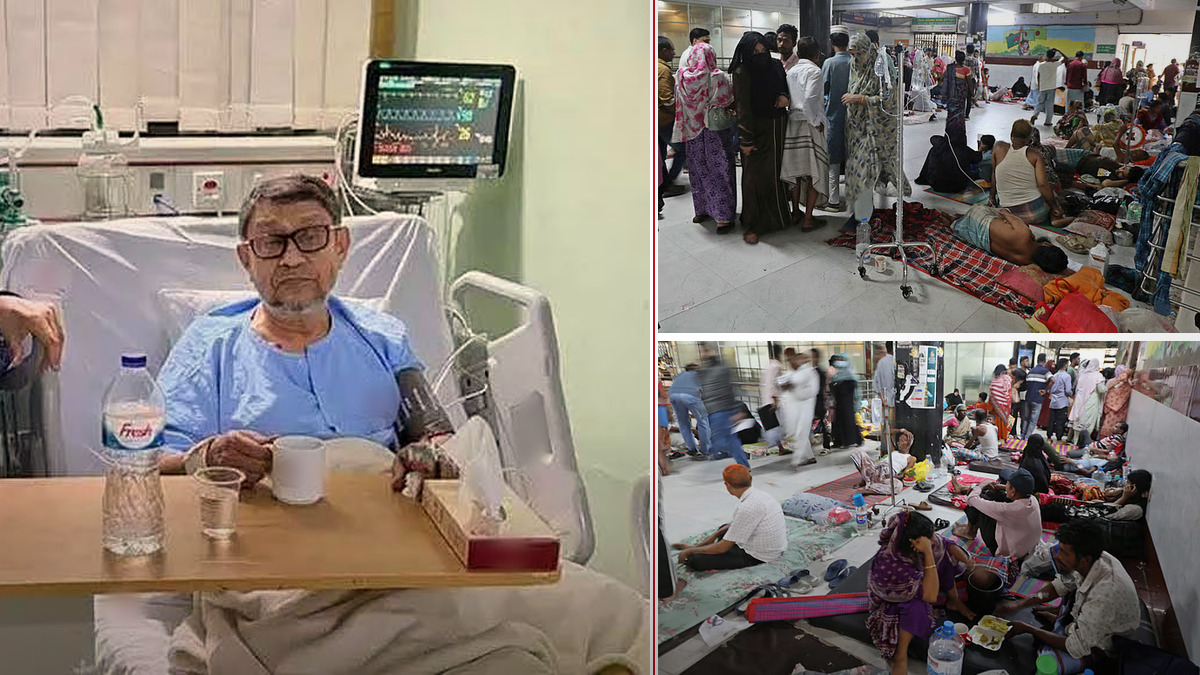
Same country, same illness, very different destinations. Facing a heart condition, the Health Minister was admitted to a reputed private hospital in Dhaka. A poor patient with the same condition has only one realistic option: a public hospital where every step, from getting a serial number to finding a bed, is a struggle.
Officials have framed the minister’s decision as a sign of faith in Bangladeshi medicine, noting that he could have gone abroad but chose to stay. Critics counter that the system he actually oversees, the public hospital network, is the very one he passed over.
Four Battles Before the Cure
For an ordinary patient, treatment in a public hospital often means fighting several battles at once: for a serial, for tests, for a bed and for medicines. Add the touts, the poor conditions and the extra money spent on tests and drugs bought outside, and the burden becomes heavy long before recovery begins.
Had the minister gone to a public hospital, he might have seen it first-hand: wards without doctors, equipment out of order, medicines unavailable, relatives wandering the corridors in search of a bed. Many now wonder whether that experience would have shaped policy in a way that speeches and promises have not.
Those with money have options. The poor have only the public hospital.
Are Public Hospitals Only for the Poor?
For the family of a day labourer, rickshaw puller, or farmer, the public hospital is not one choice among many; it is the only shelter. When it fails them, the alternatives are loans, selling land, appeals to relatives, or going without treatment and risking death.
If the well-off opt for a separate track of care outside the state system, leaving public hospitals to those who cannot pay private bills, then the promise of equal and universal healthcare loses its meaning.
A Private Choice, a Public Duty
The minister, like any patient, is entitled to choose his hospital, and his illness is no matter for ridicule. But as one of the country’s top health policymakers, his decision does not stay private. It becomes a yardstick of how far the state trusts its own hospitals.
The bigger issue is not where one minister was treated, but the crisis of public confidence in state healthcare. Building public hospitals that everyone, from ministers to day labourers, can rely on without fear is his responsibility, and not one he can escape. Until then, the question remains: what has the state done for the patient waiting through the night on a hospital verandah?