Bhatara raid: 85 jailed, but was justice served?
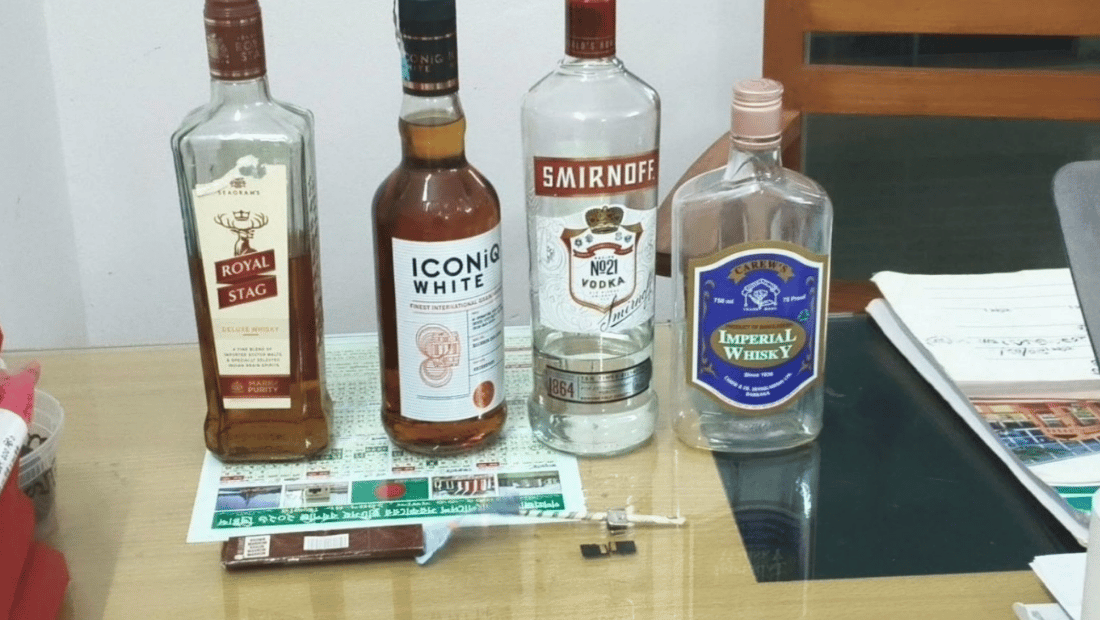
The detention of 85 people following a police raid on a senior police officer’s house in Dhaka has raised serious questions about the fairness of summary proceedings, with lawyers and human rights advocates demanding to know whether each detainee was given a proper opportunity to defend themselves. The controversy has deepened after the seizure list from the Bhatara raid recorded just one yaba tablet, several bottles of liquor, drug-consumption paraphernalia and a small quantity of a substance identified as kush – far less than the substantial drug recovery initially described by police. The central question is no longer simply what happened inside the house, but what evidence was used to establish an offence against each of the 85 people who were subsequently jailed. Barrister Sara Hossain told Dhaka Tribune that a human rights violation had “certainly” occurred. Legal experts have questioned whether the detainees were allowed to consult lawyers, whether individual allegations were examined and whether the proceedings met the safeguards required by law. Article 33 of the Constitution guarantees an arrested person the right to consult and be defended by a lawyer of their choice. Yet the available account does not identify the specific offence established against each detainee, whether individual admissions were recorded or what evidence was considered before sentences were imposed. The identities of the presiding magistrates, the legal provisions invoked and the individual conviction orders have also not been made public. Detectives detained 85 people, including 26 women, during the raid on a house owned by Additional Deputy Inspector General Abdullah Al Zahir. The men were sentenced to one month in jail and fined Tk1,000 each, with an additional 15 days’ imprisonment for non-payment. The women received 15-day jail terms and Tk500 fines, with another three days in default of payment. According to the seizure list, police recovered an empty 750ml bottle of Carew’s whisky, approximately 500ml of Royal Stag whisky, around 200ml of Smirnoff vodka and another bottle of Indian whisky. The inventory also included one yaba tablet, paraphernalia used to consume the drug and a small quantity of kush. Earlier, Detective Branch officials had claimed that large quantities of liquor, cannabis, yaba and other drugs had been recovered. Several detectives acknowledged that the limited seizure was surprising given the number of people detained and the allegations of prolonged drug-related activities at the property. Deputy Commissioner Elias Kabir of the DB’s Uttara division, who led the operation, said the detainees had consumed liquor and yaba before police arrived, leaving relatively little to be recovered. However, the seizure of one tablet does not, by itself, establish possession or consumption by every person present. Lawyers argue that attendance at a private gathering cannot automatically be treated as proof of an offence. Any allegation of illegal possession or consumption must be established against the individual concerned. The summary nature of the proceedings has brought the detainees’ legal protections under scrutiny. Rights advocates say the authorities must explain whether the accused were informed of the allegations against them, allowed access to legal counsel and given an opportunity to respond. The legal basis for imposing different sentences on men and women also remains unclear from the available information. Advocate Shahdeen Malik told Dhaka Tribune that human rights violations do not always provide a straightforward route to legal remedies under Bangladesh’s existing legal framework. “Even if there has been a human rights violation, has any law been violated?” he asked, questioning the effectiveness of existing mechanisms for obtaining redress. He noted that the National Human Rights Commission cannot itself impose criminal punishment or issue binding judicial decrees. Under its governin